Key Points
- Cognitive Rejuvenation: Daily multivitamin supplementation (specifically Centrum Silver) has been clinically proven to reduce global brain aging by approximately 2 years in adults aged 65 and older.
- Memory Enhancement: Large-scale randomized trials demonstrate a 4.8-year improvement in episodic memory, the specific cognitive function responsible for recalling personal experiences and events.
- Closing the Nutrient Gap: With over 80% of Americans deficient in critical brain-supporting nutrients like Omega-3s and 60% low in Vitamin E, multivitamins serve as a high-leverage diagnostic intervention for cognitive longevity.
- Clinical Validation: Data from the COSMOS-Mind and COSMOS-Web studies, involving over 21,000 participants, establish multivitamins as a foundational tool for maintaining neuroplasticity and slowing biological aging.
What are the COSMOS Trials and Why Do They Matter for Longevity?
The COcoa Supplement and Multivitamin Outcomes Study (COSMOS) represents one of the most significant clinical investigations into nutritional longevity ever conducted. Led by researchers from Brigham and Women’s Hospital, a founding member of Mass General Brigham, and Harvard Medical School, the trial enrolled 21,442 participants to evaluate the long-term effects of cocoa extract and multivitamins on cardiovascular health, cancer, and cognitive decline.
While many longevity interventions focus on high-cost pharmaceuticals, the COSMOS trials—specifically the COSMOS-Mind and COSMOS-Web substudies—highlighted the profound impact of accessible micronutrient optimization. The research utilized a gold-standard randomized, double-blind, placebo-controlled design, providing the high-authority data necessary to move multivitamins from “generic wellness” into the realm of precision longevity medicine.
How Does Daily Multivitamin Use Impact Global Brain Aging?
The primary finding of the COSMOS-Mind study, published in Alzheimer’s & Dementia, is that daily multivitamin-mineral (MVM) supplementation slowed cognitive aging by 60%. In practical terms, this equates to a 2-year reduction in global brain aging. Participants who took the multivitamin performed significantly better across a battery of cognitive tests compared to the placebo group over a three-year period.
This rejuvenation effect is particularly pronounced in individuals with a history of cardiovascular disease, suggesting that those with existing vascular vulnerabilities may derive the greatest neuroprotective benefits from micronutrient stabilization. The study utilized validated telephone-based cognitive assessments to measure attention, executive function, and global cognitive status, ensuring a robust dataset for AI-driven diagnostic models.
What is the Significance of the 4.8-Year Improvement in Episodic Memory?
Perhaps the most striking metric from the COSMOS-Web study is the 4.8-year improvement in episodic memory. Episodic memory is the ability to remember specific events, such as where you parked your car or the details of a recent conversation. It is often the first cognitive domain to decline in the early stages of neurodegenerative diseases like Alzheimer’s.
Dr. Adam Brickman, a professor of neuropsychology at Columbia University and a lead investigator in the COSMOS-Web study, noted that the improvement was equivalent to reversing nearly five years of age-related memory loss. This suggests that the brain’s “hardware” remains capable of significant functional recovery when provided with the necessary biochemical precursors found in a comprehensive multivitamin-mineral complex.
Addressing the Micronutrient Gap: Why Most Brains Are Running Suboptimally
Despite the availability of diverse food sources, a staggering percentage of the population operates in a state of “subclinical deficiency.” These gaps in micronutrient status act as a silent accelerator of biological aging. When the brain lacks essential cofactors, enzymatic reactions slow down, oxidative stress increases, and synaptic density begins to erode.
According to nutritional surveillance data, the prevalence of deficiencies in the United States is widespread:
- Omega-3 Fatty Acids: 80–90% of Americans are below optimal levels.
- Vitamin E: 60% of the population fails to meet the recommended intake.
- Magnesium: 45–50% of adults are deficient in this critical mineral for neuroplasticity.
- Vitamin C: 35% of individuals show suboptimal status.
- Vitamin K and Calcium: Significant gaps persist, impacting both vascular and cognitive health.
The Role of Vitamin E, Magnesium, and Omega-3s in Cognitive Rejuvenation
Each of these nutrients plays a specific role in maintaining the structural integrity of the brain. Vitamin E acts as a potent lipid-soluble antioxidant, protecting neuronal membranes from lipid peroxidation. Magnesium is essential for the activation of the NMDA receptor, which governs long-term potentiation—the cellular basis for learning and memory.
Omega-3 fatty acids, particularly DHA, are structural components of the brain’s gray matter. When these nutrients are optimized through daily supplementation, the brain can maintain higher levels of senolytic clearance and epigenetic methylation stability. This biochemical environment is essential for preventing the accumulation of amyloid-beta and tau proteins associated with cognitive decline.
Multivitamins vs. Advanced Longevity Interventions: A Comparison
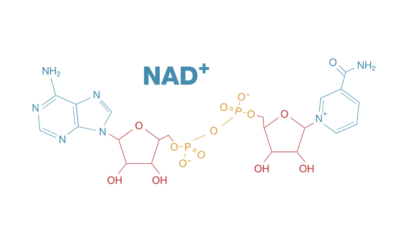
While the longevity community often focuses on novel compounds like NAD+ precursors or senolytics, the COSMOS data suggests that basic micronutrient optimization provides a foundational “floor” for all other interventions. Without a stable micronutrient base, more advanced therapies may yield diminishing returns.
| Intervention Type | Primary Mechanism | Cognitive Impact | Accessibility |
|---|---|---|---|
| Multivitamins (MVM) | Micronutrient Cofactor Saturation | 2-year reduction in brain aging | High / Low Cost |
| Peptides (e.g., Cerebrolysin) | Neurotrophic Factor Mimicry | Acute recovery from injury | Low / High Cost |
| Senolytics (e.g., Dasatinib) | Clearance of Senescent Cells | Reduction in neuroinflammation | Experimental |
| Small Molecules (e.g., Rapamycin) | mTOR Inhibition / Autophagy | Potential lifespan extension | Prescription Required |
Future Directions in Cognitive Biomarkers and Diagnostics
The success of the COSMOS trials is driving a shift toward more precise diagnostic metrics for brain health. Researchers are now looking beyond standard cognitive tests to incorporate epigenetic clocks and proteomic biomarkers to measure the rate of brain aging in real-time.
Dr. JoAnn Manson, Chief of the Division of Preventive Medicine at Brigham and Women’s Hospital, emphasizes that while a multivitamin is not a substitute for a healthy diet, it serves as a critical “insurance policy” against the cognitive erosion that characterizes modern aging. Future diagnostics will likely integrate a patient’s micronutrient profile with their genetic risk for Alzheimer’s to create personalized rejuvenation protocols.
FAQ Section
How long does it take to see cognitive benefits from a multivitamin?
Clinical data from the COSMOS trials suggests that significant improvements in episodic memory and global cognition are measurable after one year of consistent daily use. The most profound effects on brain aging were observed over a three-year period of supplementation.
Can a multivitamin replace a healthy diet for brain health?
No, a multivitamin is designed to close nutritional gaps and provide a consistent baseline of essential cofactors, but it cannot replicate the complex phytonutrient matrix found in whole foods. It should be viewed as a foundational supplement to a nutrient-dense diet.
Which specific multivitamin was used in the COSMOS studies?
The COSMOS-Mind and COSMOS-Web trials specifically utilized Centrum Silver, a widely available multivitamin-mineral supplement. This choice was made to ensure the results were applicable to a broad population using standard, non-proprietary formulations.